
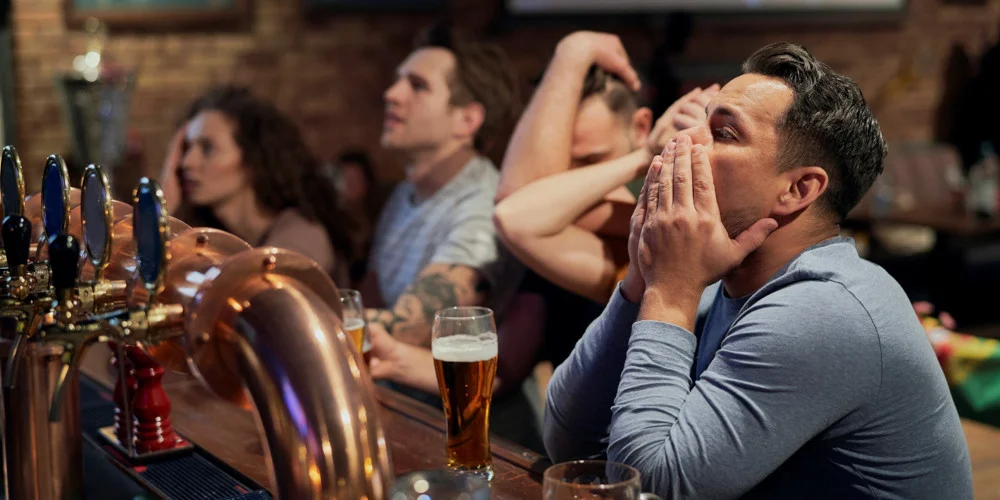
Binge drinking is one of the most socially protected addictions in South Africa. People don’t call it addiction because it happens on weekends, because the person “still works,” because it’s part of sport culture, braais, birthdays, corporate events, and the normal South African way of “blowing off steam.” The problem is that binge drinking doesn’t need to be daily to be destructive. It only needs to be repetitive, predictable, and tied to emotional relief.
If you drink like a normal person during the week and then become a different person on Friday night, you don’t have a harmless habit. You have a pattern. A pattern that affects your brain, your relationships, your finances, your safety, and your ability to trust yourself. Binge drinking is often treated like comedy, the stories, the “I don’t remember,” the big night, the hangover jokes. But behind those stories are real consequences, fights, cheating, accidents, lost weekends, missed workouts, anxiety spikes, shame, and sometimes hospital visits that people don’t talk about.
In addiction work you learn a hard lesson, binge drinking is rarely about enjoying alcohol. It’s about escaping something. Stress, loneliness, pressure, boredom, social anxiety, anger, depression, or the simple fear of being alone with your own thoughts. Alcohol becomes the fast off-switch. The weekend becomes the approved window to lose control. And because everyone around you is doing some version of it, it takes longer to recognise that it’s not normal, it’s dangerous.
This article is about what binge drinking really is, why it’s so common, and how to stop it in a way that doesn’t rely on wishful thinking or another “I’ll behave next time” promise.
Why binge drinking hits mental health
One of the biggest lies binge drinkers tell themselves is that alcohol helps them relax. In the moment it can. But binge patterns often make anxiety worse over time. After heavy drinking, many people experience what is basically rebound anxiety. Sleep is broken. Mood is unstable. The brain feels edgy. People wake up with shame and racing thoughts. They replay conversations. They fear what they did. They fear what people think. They fear consequences. They start the week already depleted.
This anxiety becomes part of the binge cycle. The person feels anxious and flat during the week, then uses the weekend binge to “reset.” They don’t realise the binge is creating the anxiety they’re trying to escape. It becomes a loop.
Binge drinking also affects depression. Alcohol is a depressant, and heavy episodes can leave people emotionally low for days. That low mood then becomes the reason to drink again, because the person doesn’t want to sit in that heaviness.
If you regularly feel anxious, low, or irritable for days after drinking, that is not a normal hangover. That is your nervous system reacting to repeated stress and chemical disruption.
The hidden damage
Many binge drinkers are high functioning. They hold jobs. They pay bills. They don’t drink every day. That functioning becomes their defence. They say they’re fine because they’re not like “real alcoholics.” That comparison is useless. The question is not whether you match a stereotype. The question is whether alcohol is repeatedly causing harm and whether you can reliably control it.
Binge drinking increases risk of accidents, violence, unsafe sex, unplanned pregnancies, legal issues, and injury. It also damages relationships because it creates unpredictability. Partners and family members become tense around weekends because they don’t know what version of you will show up. Trust erodes slowly, not only from big betrayals but from small repeated instability.
It also affects health. Liver strain, blood pressure issues, sleep disruption, weight gain, inflammation, and increased risk-taking behaviour. People often focus on the hangover and ignore the cumulative impact. You can be functional and still be on a path that ends badly.
Why willpower fails on weekends
Willpower fails because binge drinking is not a logic problem. It’s a cue and reward problem. The cue might be Friday afternoon, the reward is emotional release and social ease. Over time your brain links them. You don’t even need to feel stressed anymore, the cue alone triggers craving.
Weekends also come with the perfect storm, less structure, more social pressure, more access, and often less sleep. Decision fatigue builds throughout the week. By Friday you’re depleted. Alcohol becomes the easiest relief.
This is why binge drinking plans that rely on “just drink less” often fail. By the time you’re at the bar, the decision is already half made. You need to intervene before the cue hits, and you need a plan that changes your environment, not just your intention.
Change the weekend structure
If you want to stop binge drinking, you need to stop treating the weekend like an empty space waiting to be filled. Binge drinking thrives in empty time. You need planned structure, exercise, early morning commitments, family plans, hobbies, sober social activities, or anything that makes heavy drinking inconvenient.
This is why early morning commitments matter. A Saturday morning run, a hike, a work project, a family visit, a sports match you actually want to be present for. Structure creates friction. Addiction hates friction.
Also change the Friday ritual. If your binge starts with “after work drinks,” you need a new after work pattern, gym, home routine, a meal with someone who supports your goal, a non-alcoholic substitute, a support meeting, something that breaks the cue.
Remove the high-risk people and places
Many binge drinkers have specific social triggers. Certain friends. Certain bars. Certain events. Certain sports gatherings. You don’t have to make dramatic speeches about it. You just have to stop placing yourself in environments that reward loss of control.
People often say, I must learn to drink responsibly in the real world. If you’re trying to stop binge drinking, you are not in the phase where you need to prove strength. You need to reduce risk. Strength is built by choosing better environments until your nervous system and habits change. If your friends only like you when you’re drunk, those are not friends. They’re drinking partners.
Learn to handle the real trigger, stress, anxiety, or loneliness
Binge drinking usually has a driver. Stress is common. Social anxiety is common. Loneliness is common. Anger is common. If you don’t address the driver, you’ll keep needing relief.
This is where therapy or structured support matters. Not for everyone, but for many. If you drink to shut off anxiety, you need anxiety management skills. If you drink because you feel flat and depressed, you need support for mood and meaning. If you drink because you don’t know how to socialise sober, you need practice and exposure. The goal is not to become a monk. The goal is to stop needing alcohol as your emotional regulator.
Private promises don’t survive Friday night
If you keep this goal private, it will probably die quietly. You need at least one person who knows the truth and can check in. A partner, a friend, a sponsor, a support group, a counsellor. Someone who can hold you to your plan without drama.
Accountability works because it breaks secrecy. Secrecy is where binge drinking survives. Even if you’re not hiding it, you’re often hiding how out of control it feels.
Binge drinking is not harmless because it happens on weekends. It’s a pattern of repeated loss of control, emotional relief-seeking, and predictable chaos that damages mental health, relationships, and safety. Stopping it requires more than willpower. It requires a reset period, weekend structure, removal of high-risk triggers, real coping skills for the underlying drivers, and accountability that holds when temptation shows up. If you’re sick of Monday regret and Friday denial, the solution is not another promise. It’s a new system.